
Wooden furniture can leave the factory in perfect condition and still arrive damaged. Crushed corners, scuffed finishes, loose parts and container humidity cause most transit claims, and almost all of them can be designed out before production.
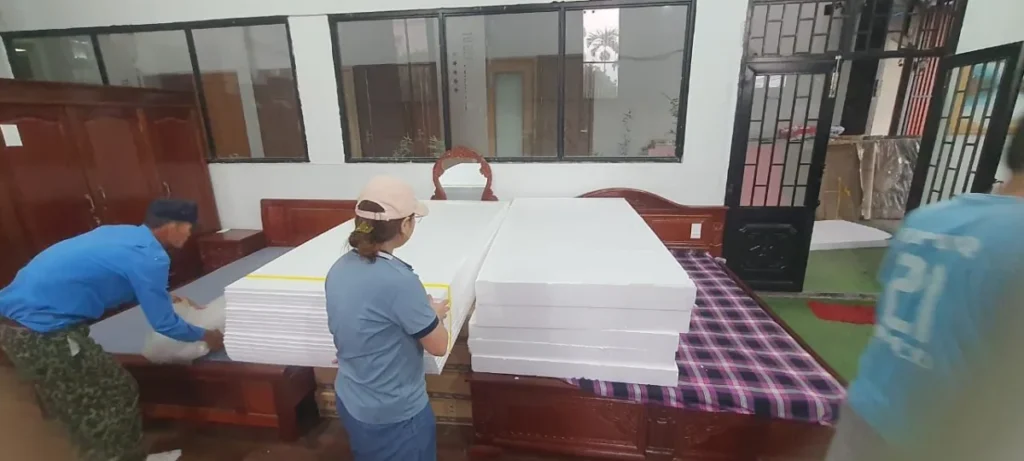
For an importer, a damaged shipment costs far more than the furniture inside it: replacement orders, lost shelf time and unhappy retail partners. Yet most damage starts with packing that was treated as the last step on the line.
This guide explains how export packing for wooden furniture is planned and checked at the Tam Quang Minh factory in Da Nang, from the sample stage to the container door.
Key points
- Agree the packing specification together with the product sample.
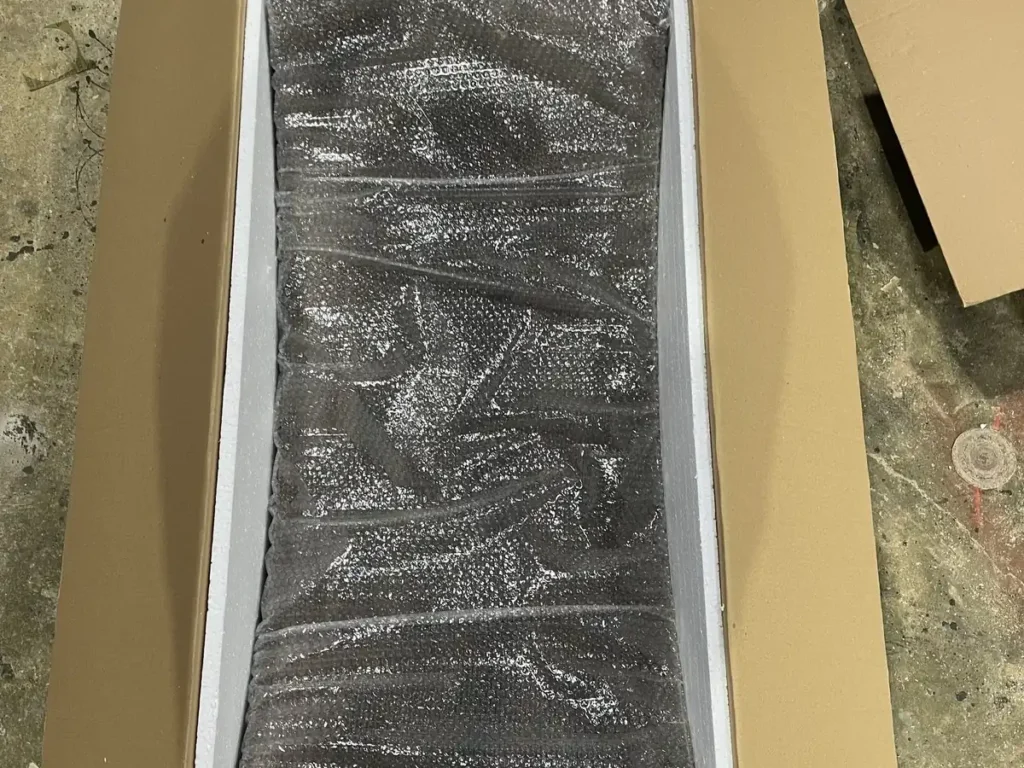
- Protect corners, edges and finished faces with foam, corner guards and wrapping.
- Inspect every piece and count the hardware before the carton is closed.
- Control moisture and load the container so nothing can move.
Export packing furniture specs: agree them with the sample
Packing should be confirmed together with the product sample. The specification should cover carton type and wall strength, inner protection, labels, barcodes and how many pieces go in each carton.
Testing the sample in its carton shows weak points early, when changes are cheap.
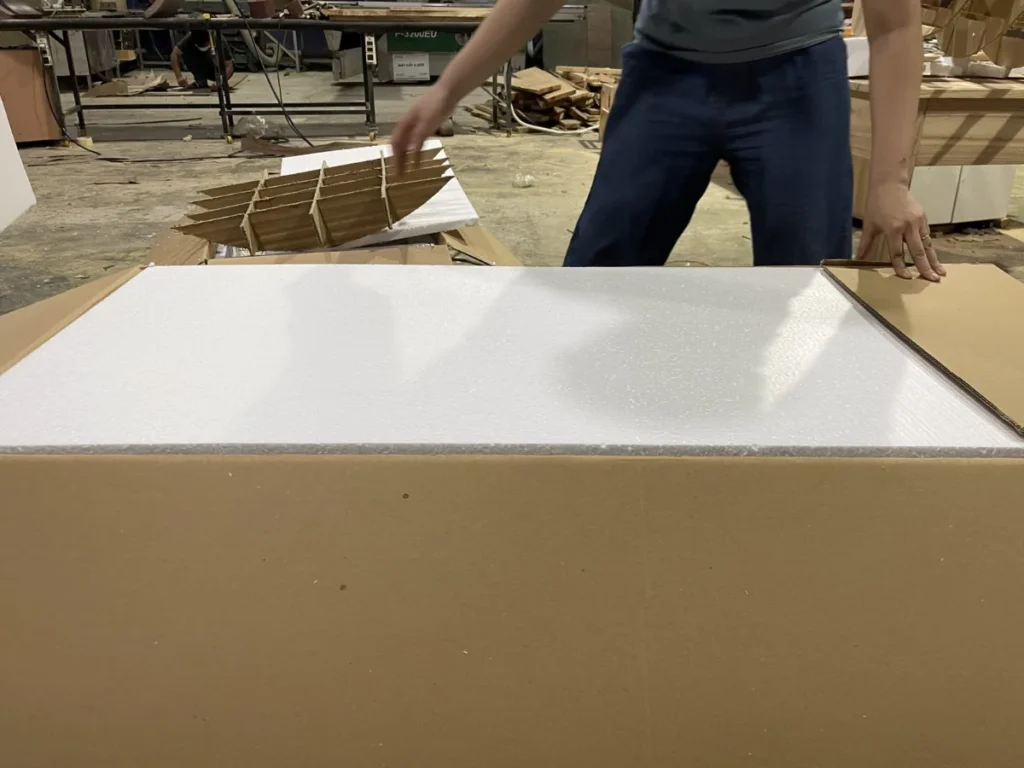
Protect corners, edges and finished faces
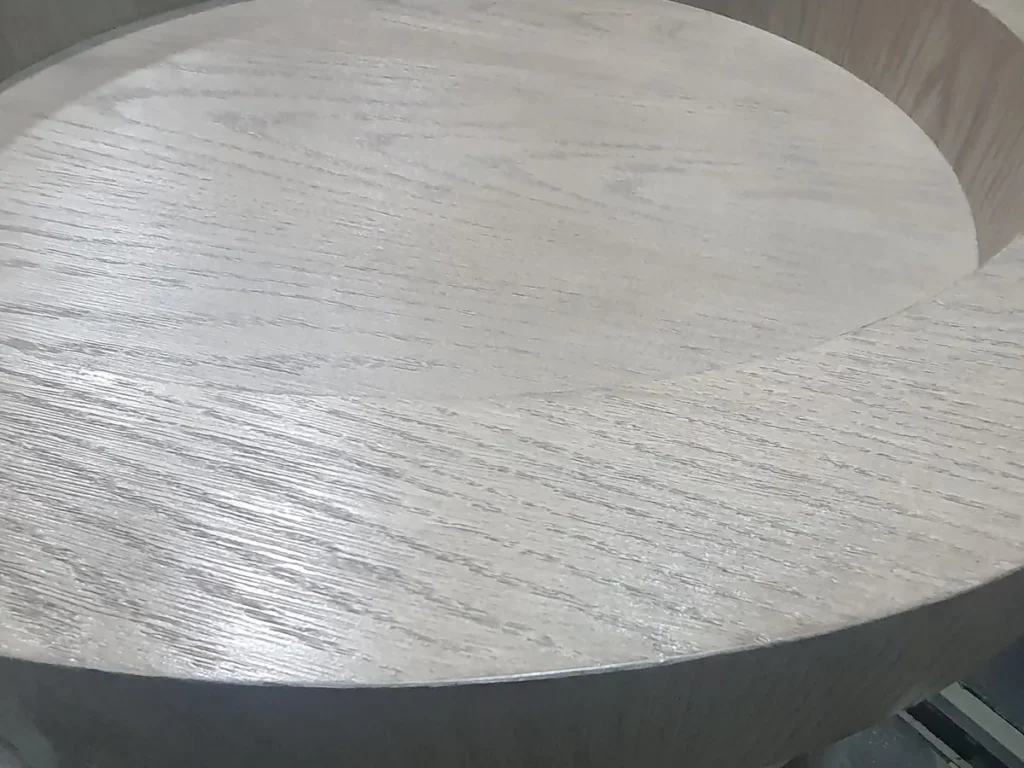
Corners and edges take most of the impact in handling. Finished faces such as veneer or paint should be wrapped so nothing rubs against them during the journey.
| Protection | Where it goes |
|---|---|
| Foam sheets or foam profiles | Around the product |
| Corner protectors | On every corner |
| Wrapping film or bags | On veneered and painted faces |
| Separate hardware packs | Fixed inside the carton |
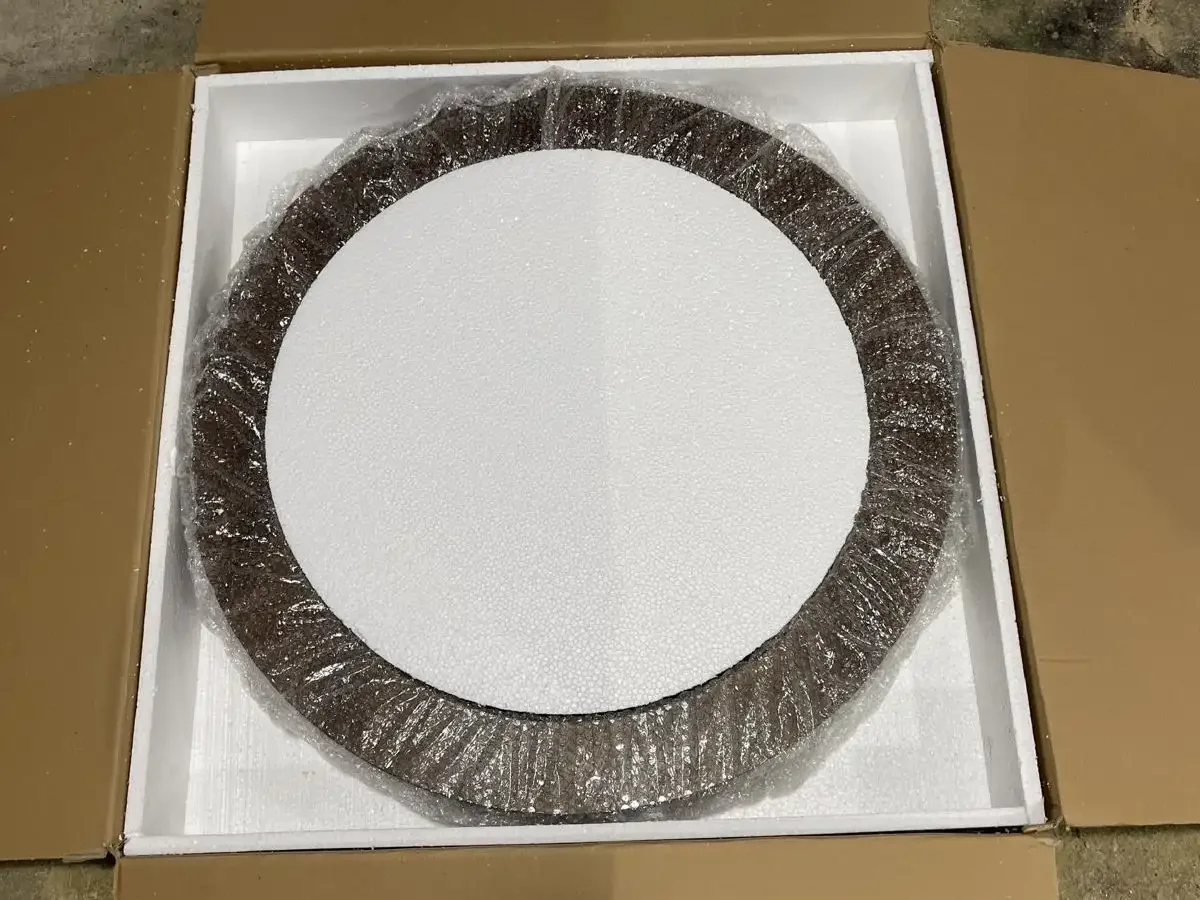
Inspect before the carton is closed
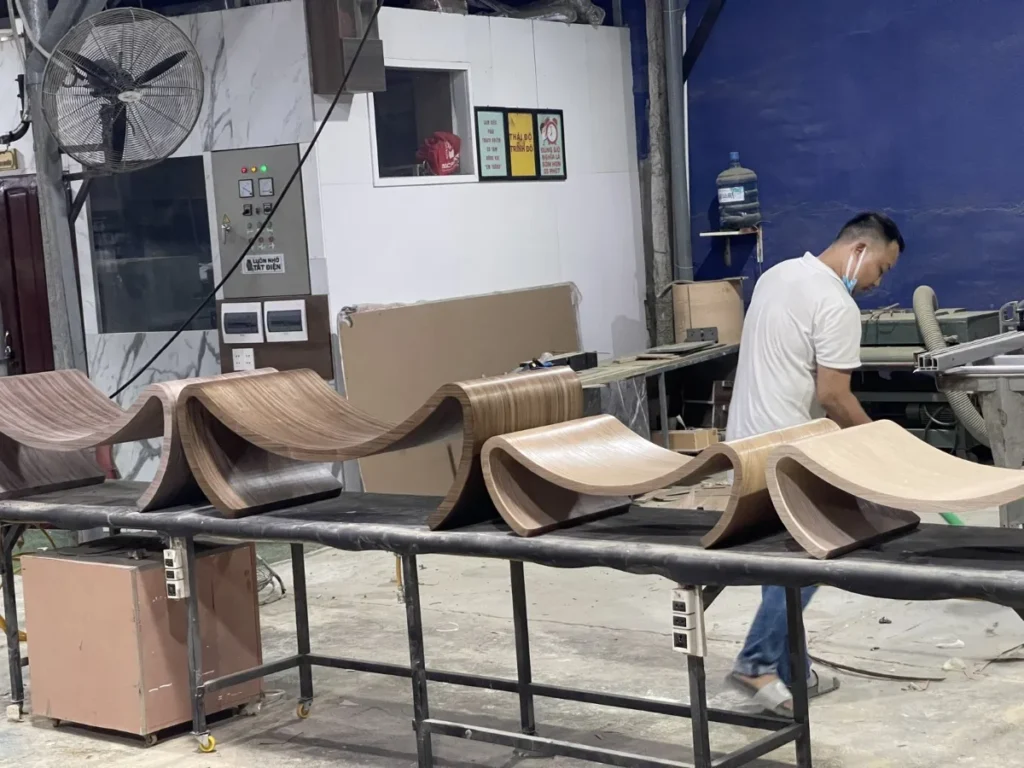
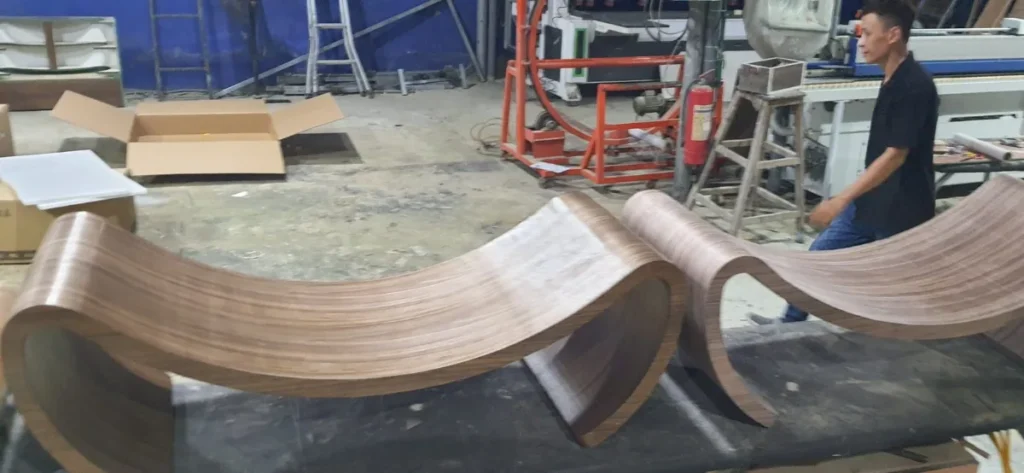
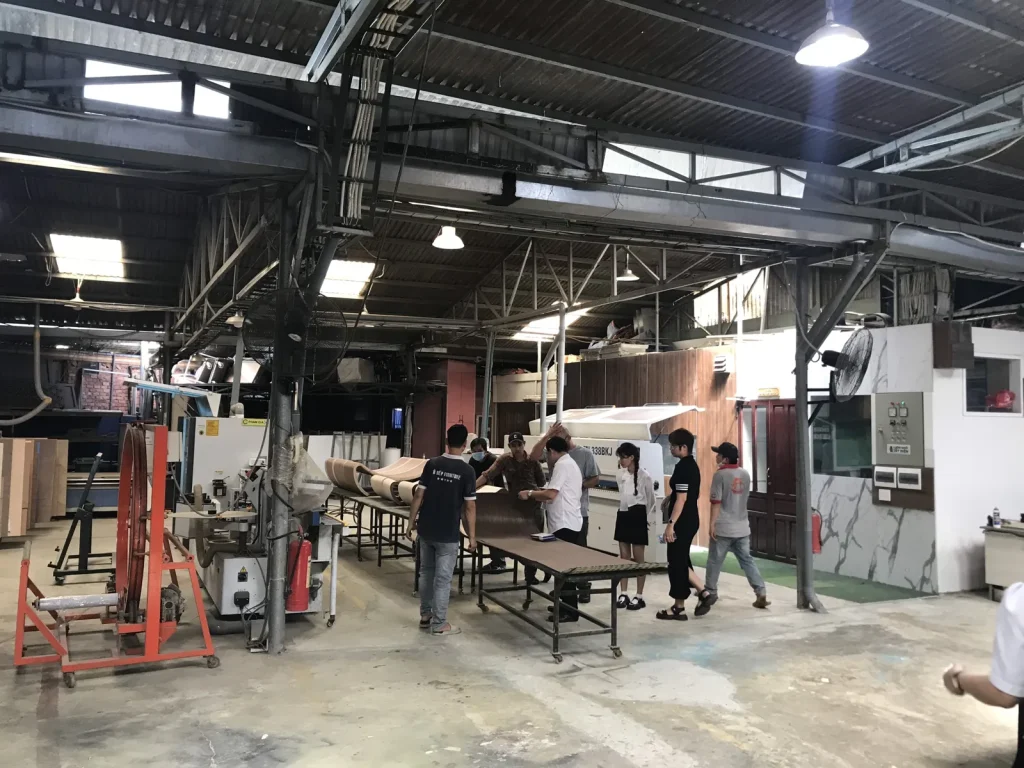
Every piece should pass a final check before packing: dimensions, finish, function and the hardware count. At our factory, finished products are inspected on the QC table before they move to the packing area.
Damage that is not packed in cannot be shipped out. The last inspection happens before the carton closes, not after it arrives.
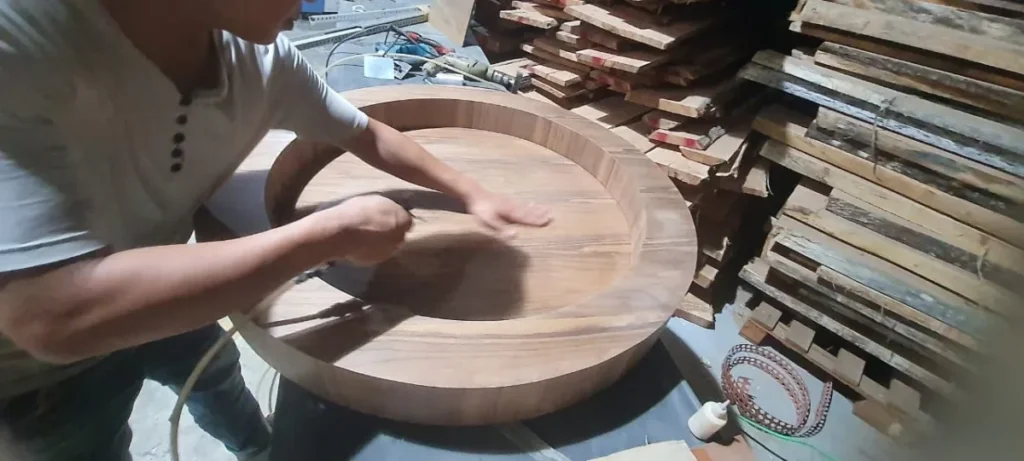
Check weight and carton strength
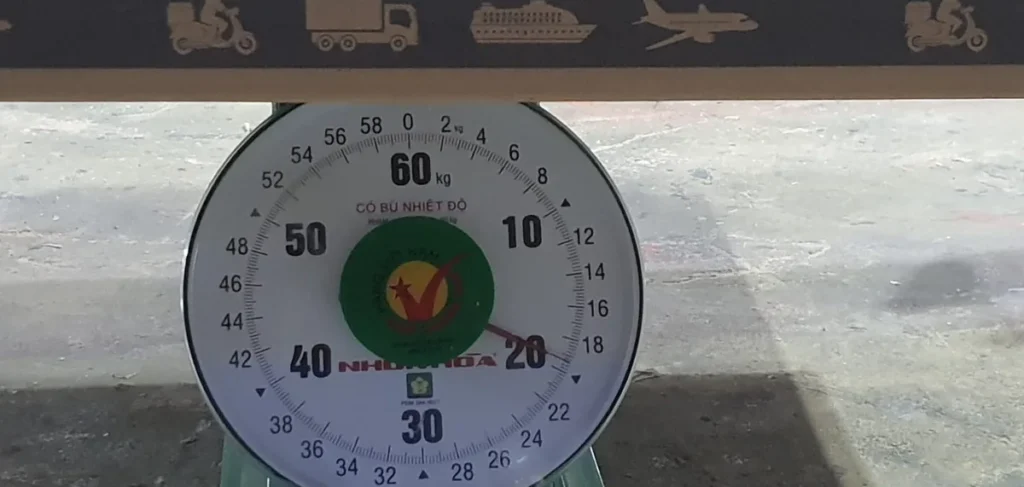
Each carton is weighed against the specification, so the carton grade matches the load and stacking in the container. Heavier cartons need stronger walls and should be marked for the bottom rows.
Control moisture inside the container
A container travelling from Vietnam crosses hot and humid regions. Wood should be properly dried and all panel faces and edges sealed before packing. Desiccants inside the container help reduce condensation on long voyages.
For more on panels and humidity, read plywood vs MDF for export furniture.
Load the container to stop movement
Cartons should be stacked by weight, with heavy items at the bottom, and packed tightly so nothing can shift. Gaps are filled before the doors close, and the loading is photographed for the buyer.
See how we work with importers on our export and OEM page, or read our guide to sourcing OEM pet furniture from Vietnam.
The bottom line: damage is designed out before the doors close
Most transit damage is decided long before the container is loaded. Agreeing the packing specification with the sample, protecting corners and finished faces, inspecting and counting hardware, controlling moisture and loading to stop movement all cost little at the factory.
They save replacement orders, delays and unhappy retail partners at the destination.
Tam Quang Minh at a glance
- Factory
- Xuan Phu, Da Nang, Vietnam
- Founded
- 2011
- MOQ
- 50 pieces per design
- Lead time
- 30–45 days after sample approval and deposit
- Capacity
- 4–5 × 40HQ containers per month
- Terms
- FOB Da Nang · T/T 30% deposit, 70% before shipment
- Contact
- WhatsApp +84 909 126 905 · export@tamquangminh.com
Frequently asked questions about export packing
When should the packing specification be agreed?
Together with the product sample, so the carton, inner protection and labels can be tested before mass production.
What inner protection do you use for wooden furniture?
Foam sheets or profiles around the product, corner protectors, wrapping on finished faces and separate fixed packs for hardware.
How do you prevent moisture damage in the container?
Properly dried wood, panels sealed on every face and edge, and desiccants inside the container on long voyages.
Do you inspect products before packing?
Yes. Every piece is checked for dimensions, finish, function and hardware count on the QC table before packing.


 VN
 DE